Table of Contents
By now, we are all aware that Stanford loves to claim it’s a diverse place. We have ethnic theme houses, tout the racial diversity of our student body, and laud the percentage of students from first-gen backgrounds.
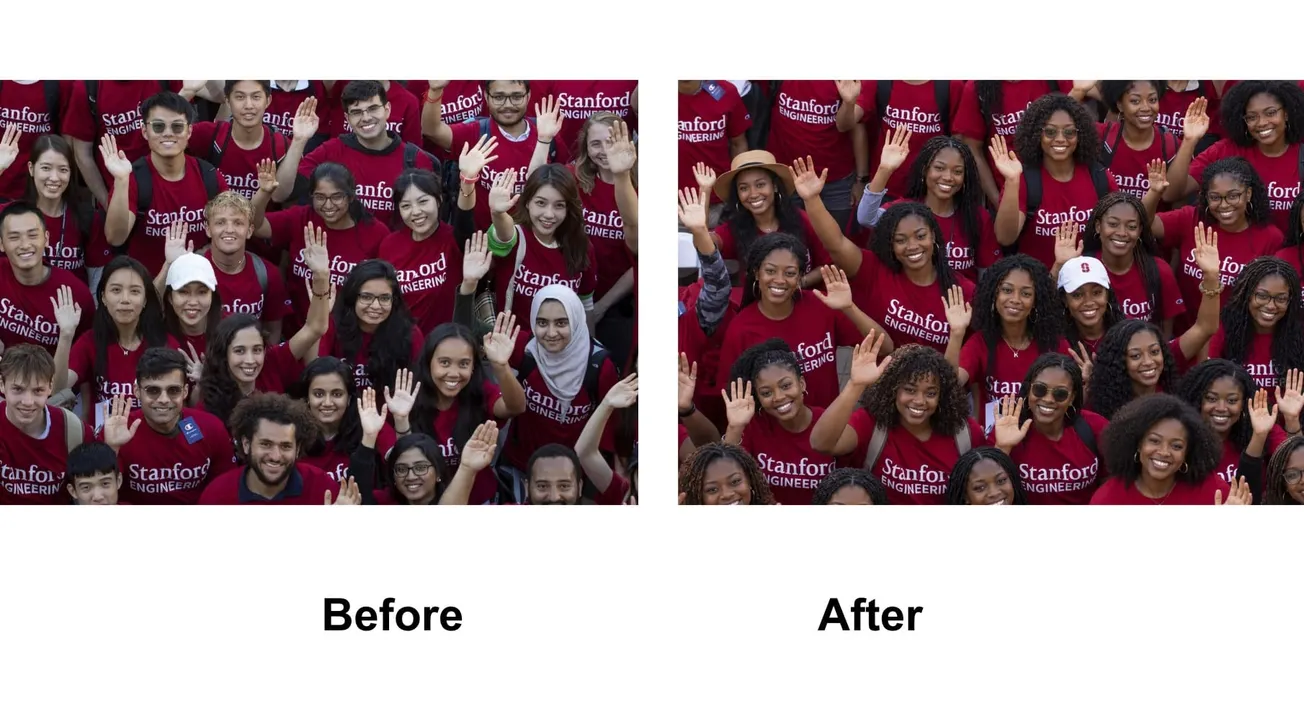
Yet when it comes time to advertise campus life, R&DE swaps out an actual student, Billy Ramirez ’27, for a black woman, using AI. Apparently, Stanford’s own students aren’t quite right for the picture it wants to present.
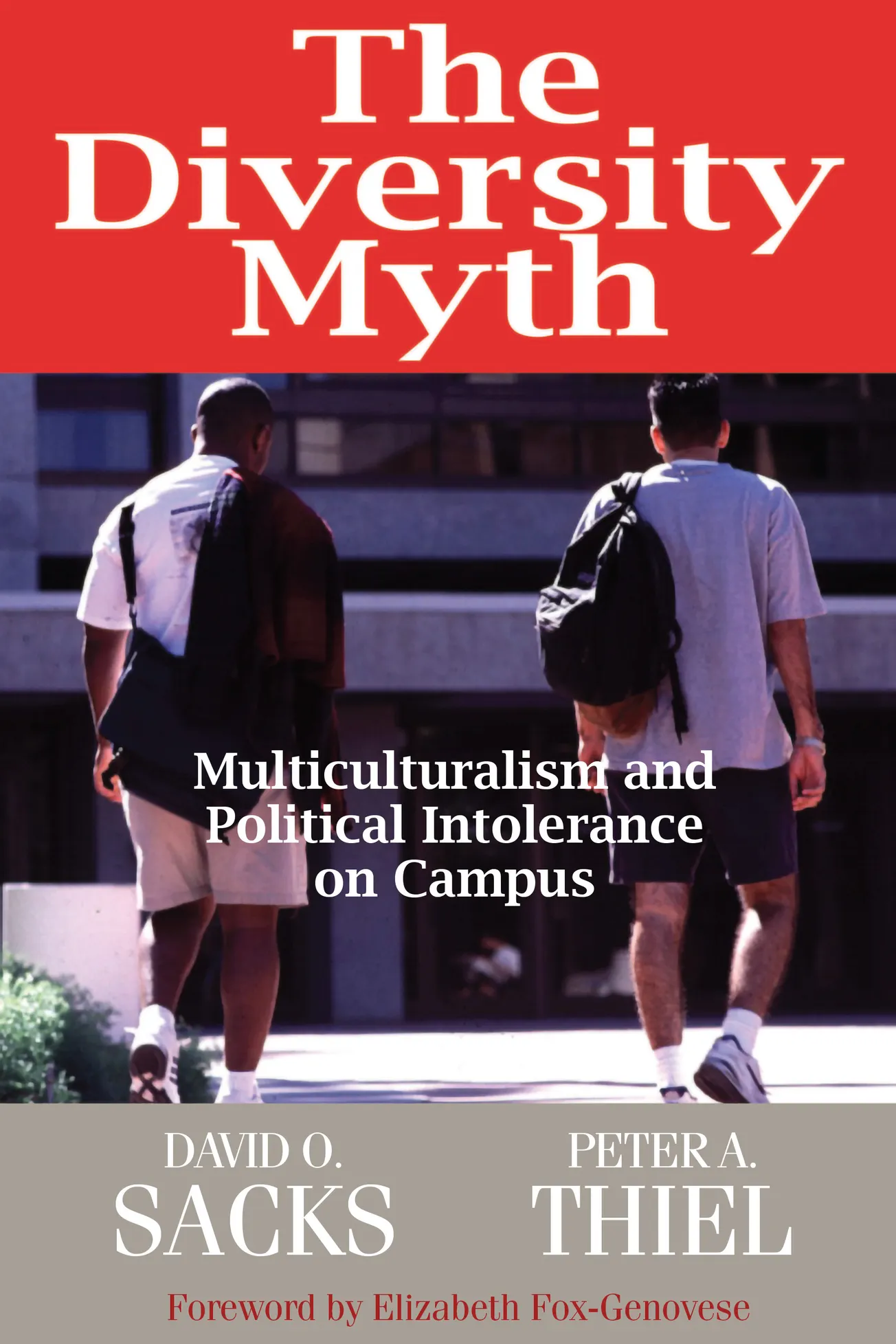
Thirty years ago, this “diversity myth” existed, too. But at least then, someone was willing to point out how ridiculous it was. In 1996, Peter Thiel went on C-SPAN to talk about The Diversity Myth, the book he had written with David Sacks. He asked a pointed question about Stanford’s admissions process, “What use is a group of people who look different but think the same?” And if DEI should apply to race, gender, and socioeconomic status, then why shouldn’t it apply to political ideology, opinions, and ideas?
Thirty years later, The Diversity Myth remains prescient.
Students flock to consulting firms, big tech, and Y Combinator where they spend a summer working on a startup, give up, and come back to join one of the former two camps. It's clear this culture persists across races, genders, and socioeconomic classes. We might all be different colors, but at the end of the day, we’re still all sheep.
Whenever someone wants to buck the norm, their name is dragged through the mud on Fizz. This reaction enforces conformity as a litmus test for social acceptability. The stranger part is that standing out is supposed to be what gets us into Stanford. An applicant has to explain what makes them different, but they also have to convince the same admissions committee that their particular kind of difference belongs at Stanford.
So there is a safe way to be different: choose an experience, explain what it taught you, and arrive at a politically correct conclusion the reader can comfortably applaud. The details can be yours while the lesson sounds like everyone else’s. How much independence does that actually test?
This is the question the R&DE photograph brings back into focus. It shows a university setting an example for its students, selecting which parts of themselves belong in the picture, and which would be safer to leave out. Facades like this don’t promote actual diversity. They create scared teenagers who worry if they are the ‘right’ kind of different, rather than ones who have truly original ideas.
Instead of nine prompts that ask them to tell you what you want to hear, give applicants one that says ‘change my mind.’ Instead of worrying about the race of the students in your dining hall photo, focus on the things they achieve. In a world where everyone is worried about the color of the sheep, maybe it's time to admit more shepherds.